

Freeze took its toll on cypress trees

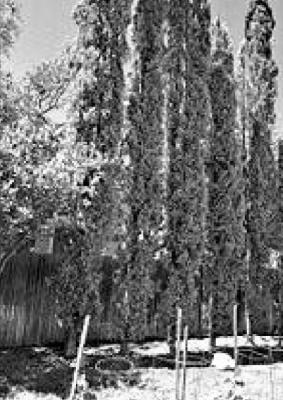
Dear Neil: Is there anything that can be done to help Italian cypress trees that have gradually been turning brown over the past several weeks? Is this because of the cold?
I’ve been seeing this from all over the state. Yes, it’s from freeze injury, and it has taken the plants a while to display it. I’m afraid it’s going to take the plants out, and there isn’t anything that can be done to turn things around now. I’m sorry for the bad news. They are vulnerable to temperatures into the single digits and low teens, especially when the cold comes and stays for several days.
Dear Neil: I’m sure you’ve been covered up with questions about palms surviving the cold back in February. How much longer should we wait to make the decision on windmill palms? I have two smaller ones that are sprouting out new green leaves, but the tallest has nothing yet.
Keep waiting. I’m seeing new growth showing up on palms around Texas with each passing day. Wait six weeks or more if you have to. There’s no real reason to rush.
Dear Neil: What are the best privacy shrubs that would grow to six to eight feet, but not any taller?
Dwarf Burford holly, although it would take many years to grow that tall. My preference from the hollies (my favorite shrubs because of their dependability) would be willow-leaf holly. I have several, and after 40 years of not pruning them much at all because I have them out in the open, they are nine or 10 feet tall. I could easily have kept them at eight feet with just one or two prunings over that whole period of time. Standard abelia and elaeagnus are two other candidates. Of those two, abelias survived the winter in far better shape.
Dear Neil: Can you help me in getting rid of seedlings of paper mulberry and golden raintrees? They’re coming up everywhere.
Those should be easy to address. Use a broadleafed weedkiller spray (containing 2,4-D) in turf areas. Read and follow label directions to avoid damage to trees and shrubs nearby. Apply with a tank sprayer specifically to the tree seedlings for most precise control. Use a well-sharpened hoe when the soil is barely moist to scrape off the young seedlings in beds. Mulches will also work wonders in preventing seeds from germinating.
Have a question you’d like Neil to consider? Email him at mailbag@sperrygardens.com. Neil regrets that he cannot reply to questions individually.
