News

Make fried green-creole tomatoes a part of spring
In staying with the springtime/ early April recipes that are light on the palate, I thought I’d share something special to many who grew up a generation ago. Nothing says springtime quite like a plate of fried green tomatoes.

Texas Capital Highlights
Border wall through Big Bend apparently on hold After public outcry, a physical border wall through Big Bend National Park appears to be on hold, The Texas Tribune reported.

Cain inducted into Hall of Honor
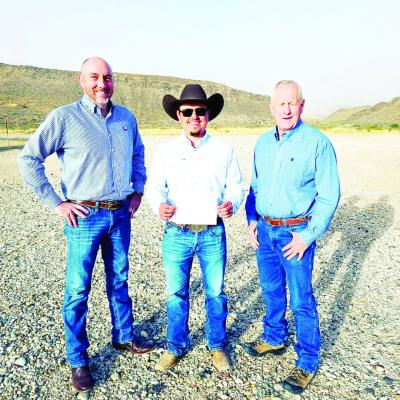
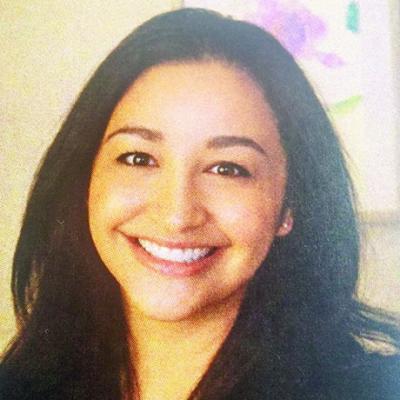
Claudia Gallego Cain was recently inducted into the Sul Ross Athletic Hall of Honor Class of 2026. Cain graduated with a Bachelor of Science degree in biology in 2005 and went on to earn an M.S. from Texas Tech Health Sciences Center.
Celebrating dark skies
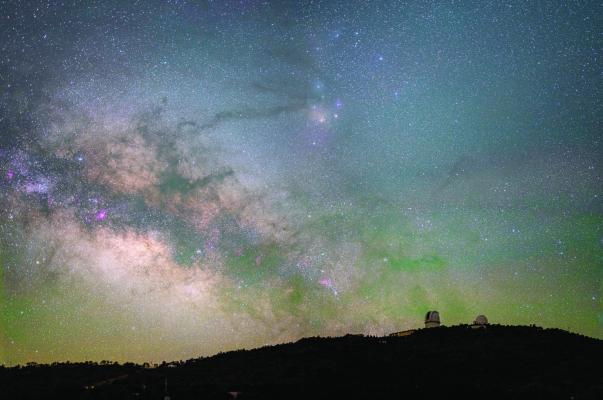
The McDonald Observatory invites everyone to participate in the Dark Skies Festival from April 13-19. Events will be held at the observatory and locations around Terlingua, Presidio, Fort Davis, and Alpine. There will be constellation tours, telescope viewings, special talks, and more.
Dear Editor
Dear Editor, In 1972, while undergoing U.S. infantry training for that war in Southeast Asia, I went through escape and evasion training at Fort Ord, California. A sobering experience, it was traumatic for this then, recently graduated college student, i.e., this 21-year-old.
April Showers
We have been blessed with some recent Spring rainfall over the past several days, which will significantly contribute to a seasonal green-up that will help to kickstart our growing season.
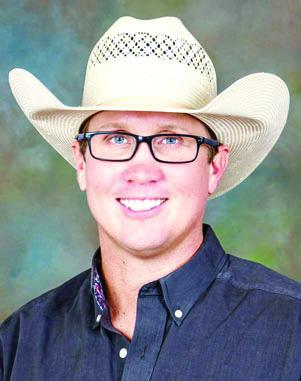
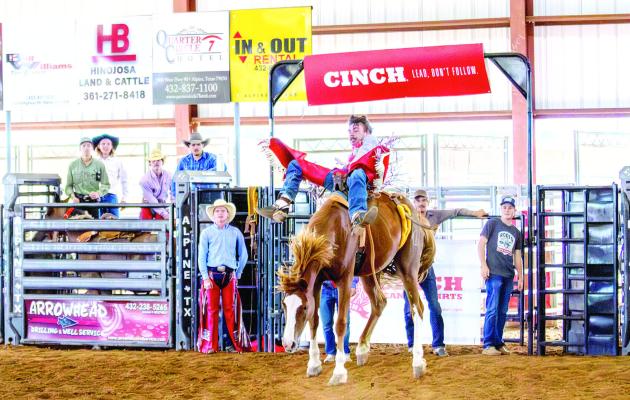
SRSU headed to home of the World’s First Rodeo
The biggest claim to fame for Pecos, Texas, is that it is home to the World’s First Rodeo.